
Court Ruling Protects Saif Ali Khan Family’s Claim Over Contested Bhopal Land
What happened: A local court in Bhopal upheld ownership rights of Saif Ali Khan and his family over 16.62 acres of disputed land.• Why it...
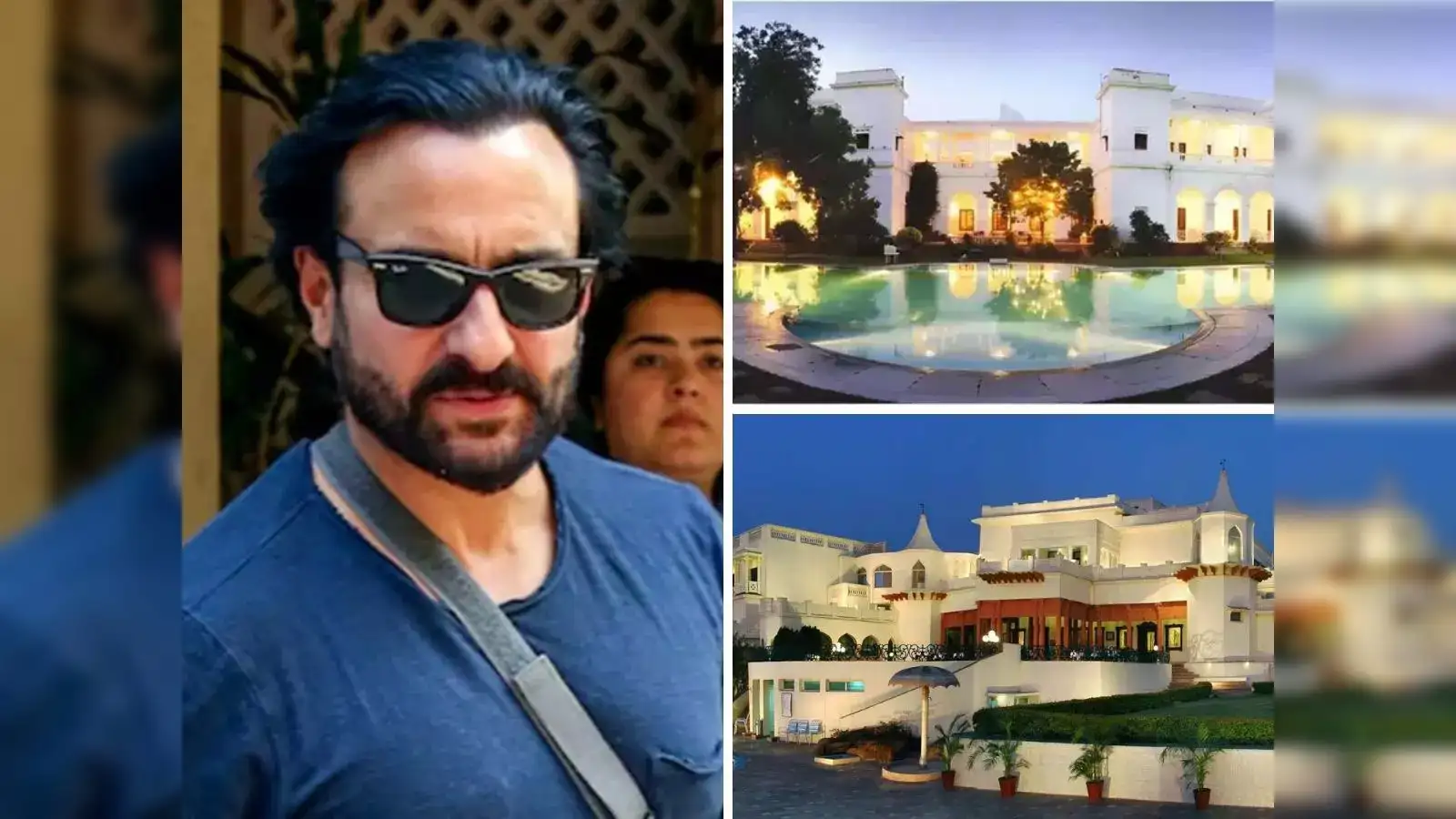
What happened: A local court in Bhopal upheld ownership rights of Saif Ali Khan and his family over 16.62 acres of disputed land.
• Why it matters now: The verdict ends a decades-long legal challenge involving claims of a historic gift made during the princely era.
• What changes for people: No immediate change for residents in the area, but the land status is clarified for future development and transactions.
• Who is affected: Legal heirs of the former Bhopal royal family, private claimants from Nayapura, and local urban development stakeholders.
A civil court in Bhopal has dismissed a lawsuit questioning the ownership of a 16.62-acre stretch of prime land historically linked to the city’s former royal family. The decision secures the rights of Saif Ali Khan, Sharmila Tagore, Soha Ali Khan, and other family members who were named as respondents. The ruling matters because it settles a long-running dispute around succession and property rights involving land once associated with princely Bhopal.
Why the dispute reached court
The contested land is located in Nayapura within Huzur tehsil, an area that has steadily gained value due to expanding urban limits. Three local residents had filed a case asserting that the parcel was gifted in 1936 to their father, Vakil Ahmed, by the last ruling Nawab of Bhopal, Hamidullah Khan, as recognition for loyal service during the princely era.
They presented old revenue entries and stated they had been in continuous possession for decades, including construction of small structures and engagement of caretakers.
What the court concluded
After reviewing the evidence, the court held that the plaintiffs did not prove the alleged inayat or gift. It noted the absence of authenticated documentation confirming that Hamidullah Khan had transferred ownership of the land.
More critically, the court highlighted that the disputed land was part of the private property of Mansur Ali Khan Pataudi, as recorded in the Bhopal merger agreement signed with the Government of India in 1949. This document played a decisive role in the ruling.
Case records further showed that 12.62 acres from the same parcel were sold to a private developer in 1998 by Mansur Ali Khan Pataudi and his family. The transaction occurred long before the current plaintiffs initiated legal action, reinforcing the family’s recognized ownership.
Why it matters for governance and development
The judgment underlines how historical land transfers tied to princely states continue to shape legal battles in modern India. Experts in urban planning say such clarity is essential for property markets, title verification, and large-scale real estate projects, especially in cities like Bhopal that are expanding corridors and transport nodes.
There is no immediate change for local residents, but lawyers say the ruling reduces uncertainty around title and could influence future litigation involving royal estates across India.
Official views and verification
Legal commentators familiar with the case note that courts typically demand conclusive proof for historical land gifts, especially when they involve princely titles. Government merger records and signed agreements are treated as high-value evidence in such matters.
Officials did not indicate any further administrative action, and there is no confirmation yet of an appeal from the plaintiffs’ side.