
Canada's Barnes Ice Cap: Ancient Ice Reveals Climate Change Impact
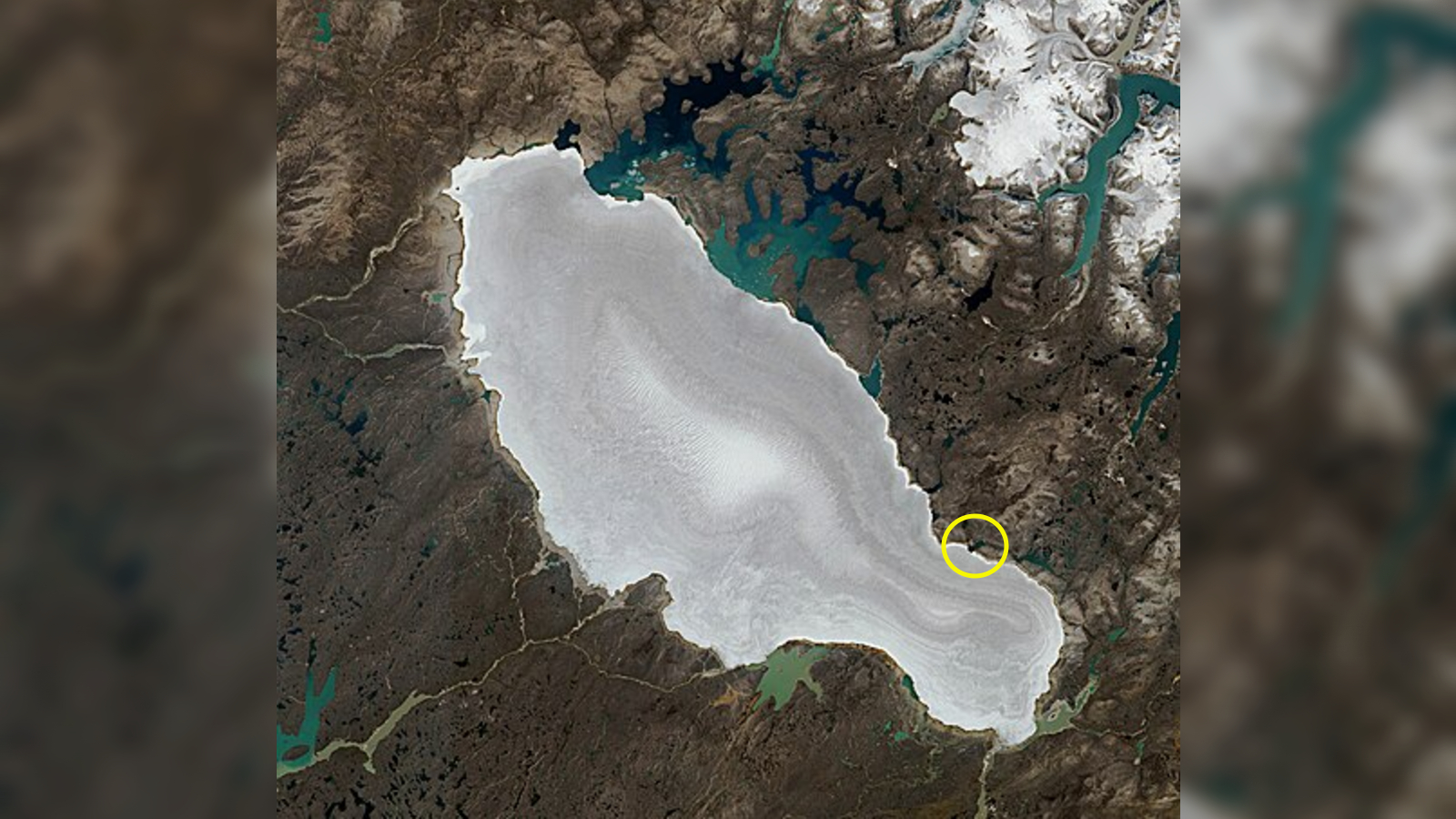
A photo of Gee Lake bordering the Barnes Ice Cap reveals climate change effects.
Top Summary
- What happened: A NASA satellite photo shows Gee Lake next to Canada's Barnes Ice Cap, highlighting melting.
- Why it matters: The melting glacier contributes to rising sea levels and ecological damage.
- What changes: Accelerated degradation of glaciers is expected under current conditions.
- Who is affected: The melting ice impacts global sea levels and Earth's geological processes.
A Rare View of Ancient Ice
A stunning photograph from high above captures the serene yet critical situation of Gee Lake bordering the Barnes Ice Cap in Baffin Island, Canada.
The image, taken by the NASA Earth Observing-1 satellite in September 2010, clearly shows the interaction between liquid water and ancient ice.
Gee Lake and the Barnes Ice Cap
Gee Lake, though only 3.2 km across, holds special significance because of its location, cutting into the edge of the glacier.
The glacier's surface displays ridges resembling clamshell growth lines, created by meltwater movement. This unique feature reveals clues about the glacier's history and present state.
Canada’s Oldest Ice Mass
The Barnes Ice Cap is Canada's oldest ice mass, with some sections dating back 20,000 years to the Ice Age.
It is the only remaining part of the vast Laurentide Ice Sheet that once covered North America.
Spanning 6,000 square kilometers, the Barnes Ice Cap preserves ice formed at the dawn of humankind.
Climate Change and Melting Ice
The formation of meltwater lakes like Gee Lake is often linked to rising temperatures.
The Barnes Ice Cap is receding by several meters each year, a trend experts believe will intensify.
"According to scientific calculations, the ice cap will be virtually melted within a couple of centuries under present conditions."
Ecological Implications
Melting glaciers weaken the ice's internal structure, accelerating its degradation and increasing the risk of sea-level rise.
This process has ecological implications beyond the aesthetic appeal of the landscape.
The image of Gee Lake symbolizes the ongoing geological processes on our planet, reflecting Earth's history back to the last Ice Age.
What to Watch Next
Scientists will continue to monitor the Barnes Ice Cap and other glaciers to assess the rate of melting and its impact on sea levels. The data collected will inform future climate models and mitigation strategies.