
Bulgaria Dig Unearths World's Oldest Gold, Rewrites History Books
6,500-year-old Bulgarian site reveals the earliest processed gold artifacts.
Top Summary
- What happened: Archaeologists in Bulgaria discovered 6,500-year-old processed gold at the Varna Necropolis.
- Why it matters: This find challenges previous assumptions about the origins of metallurgy and early civilizations.
- What changes for people: It changes our understanding of social hierarchies and wealth distribution in prehistoric Europe.
- Who is affected: Historians, archaeologists, and anyone interested in the development of early human societies.
Ancient Gold Discovery in Bulgaria
A groundbreaking excavation in Bulgaria has revealed what is believed to be the world's oldest processed gold. The discovery occurred at the Varna Chalcolithic Necropolis, near the Black Sea coast. This site is now considered one of the most important prehistoric archaeological locations globally.
The Varna Necropolis was accidentally discovered in 1972. It dates back to between 4600 and 4200 BC. This necropolis is home to the oldest known processed gold in the world.
Varna Necropolis: A Treasure Trove
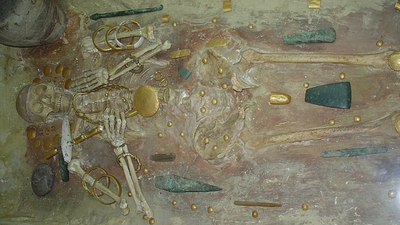
Archaeologists have unearthed nearly 300 tombs within the necropolis. These tombs contain complex artifacts crafted from gold, copper, and other materials. More than 3,000 gold objects, weighing over 6 kilograms, have been recovered.
This collection is not only the oldest but also one of the richest prehistoric gold collections ever found. These discoveries confirm that Bulgaria, not Mesopotamia or Egypt, may be the cradle of early human metallurgy.
The Enigmatic 'Golden Man'
One particularly noteworthy grave, often called the "leader's grave," contained over 1.5 kilograms of gold ornaments. This grave also held jewellery and other symbolic items. The individual buried in this grave was likely a chief or a significant figure in their society.
This lavish burial likely symbolizes the individual's high status in life. The presence of such a grave indicates that social hierarchies existed much earlier than previously thought. Research indicates a “stabilisation of the new social structure” during the Copper Age.
Significance of the Gold Relics
The gold artifacts found in Varna have significant cultural and symbolic importance, not just decorative value. Archaeologists believe the gold held ritual or spiritual meaning. The craftsmanship suggests advanced skills in gold metallurgy for the time.
Renowned Archaeologist Sir Colin Renfrew noted that the discovery of gold artifacts in Varna was unexpected: “The oldest gold treasure… was not found in Sumer or Egypt.”
This observation challenges earlier views on the origins of civilization.
Redefining Human History
The Varna Necropolis is continually reshaping our understanding of prehistoric Europe. This site demonstrates that complex societies, social hierarchies, economic networks, and the symbolic use of wealth existed much earlier than once believed.
Currently, 70% of the site remains unexcavated, promising more potential discoveries. These future finds may further revolutionize our perspective on human development.
What to Watch Next
Archaeological teams will continue excavating the remaining sections of the Varna Necropolis. Future discoveries are anticipated to shed further light on early European civilizations and the development of metallurgy.