
Bronze Age Burial in Italy Reveals Earliest Genetic Evidence of Father–Daughter Incest
Archaeologists working in southern Italy have uncovered what researchers describe as the world’s oldest known genetic evidence of a father–daughter incestuous relationship. The finding, based...
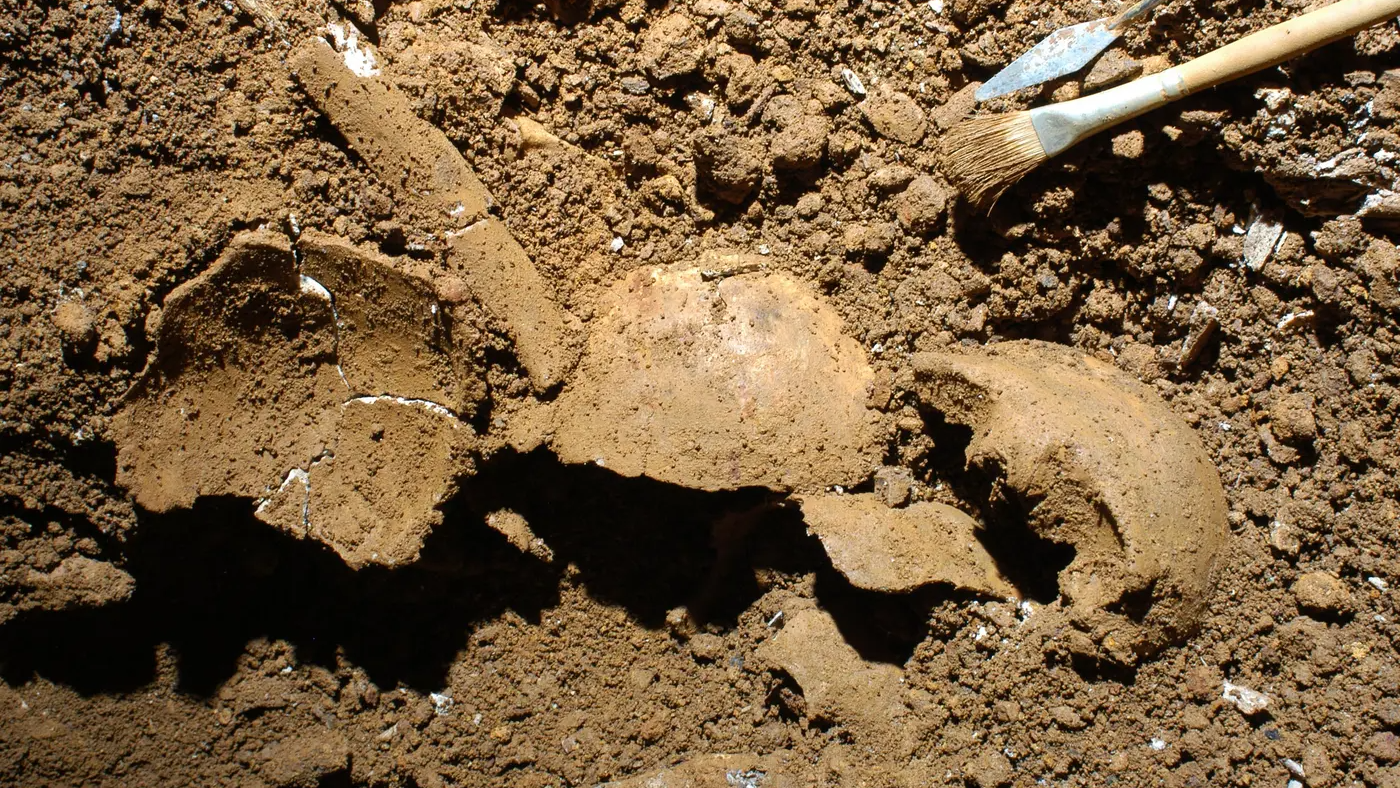
Archaeologists working in southern Italy have uncovered what researchers describe as the world’s oldest known genetic evidence of a father–daughter incestuous relationship. The finding, based on advanced DNA analysis of human remains from a Bronze Age burial site, is reshaping scholars’ understanding of prehistoric social norms and family structures in ancient Europe.
A startling discovery in Calabria
The remains were found at Grotta della Monaca, a cave in Calabria—Italy’s southernmost region—used as a burial ground between roughly 1780 and 1380 BC. A multinational research team examined genetic material from 23 individuals interred at the site as part of a broader effort to reconstruct the population history of the community.
According to the study, published this week in the peer-reviewed journal Communications Biology, researchers did not expect to encounter evidence of what they term “extreme parental relatedness” within the group.
What the DNA revealed
Despite the skeletons being incomplete and commingled, scientists successfully identified the biological sex of 18 individuals and mapped their mitochondrial and Y-chromosome lineages. These markers suggested the burial group consisted of people from varied ancestral backgrounds, rather than a tightly closed community.
When examining family relationships, the team identified two parent–child pairs. One—a mother and daughter buried close together—fit common burial practices seen across many ancient cultures.
The second case, however, stood out. Genetic data from an adult male and a young boy revealed unusually long runs of homozygosity (ROH), a genetic indicator that increases when parents are closely related.
Evidence of a first-degree incestuous union
Most individuals at the site showed ROH levels consistent with distant kinship several generations back. The young boy, by contrast, displayed the highest concentration of long ROH segments ever documented in ancient DNA research, the authors reported.
Further analysis confirmed that the child was the biological son of the adult male buried nearby—and of that man’s own daughter. The mother’s remains were not identified at the site.
Researchers emphasized that while incest is widely avoided due to social taboos and biological risks, it has been documented in history, particularly among elites. However, those cases typically involve sibling unions, which are genetically less risky than parent–child relationships.
Why this matters
Experts say the finding is significant because it pushes back the timeline for documented first-degree incest by thousands of years and challenges assumptions about social boundaries in prehistoric Europe.
The researchers found no genetic evidence that the boy suffered from inherited disorders, though they cautioned that not all conditions can be detected from ancient DNA alone.
The social context remains unclear. The community does not appear to have been small or ruled by a hereditary elite, raising questions about whether the relationship was culturally accepted, exceptional, or the result of coercion.
Scholarly perspectives
The study’s authors note that the adult male was the only grown man buried in a cemetery otherwise dominated by women and children, which may hint at unique social roles or practices. Archaeogeneticist Alissa Mittnik of the Max Planck Institute for Evolutionary Anthropology said in a statement that while the case may reflect localized cultural behavior, its broader meaning is still uncertain.
Looking ahead
Researchers say the discovery highlights how genetic technology is transforming archaeology, allowing scientists to uncover intimate aspects of ancient lives that would otherwise remain hidden. Future studies may reveal whether this case was truly isolated or part of a wider, yet undocumented, social practice.