
Blinkit CEO Warns of Imminent Shakeout in Quick Commerce as Funding Model Reaches Its Limits
India’s quick commerce sector is heading toward a major consolidation as investor cash dries up, according to Blinkit CEO Albinder Dhindsa, who says companies can...
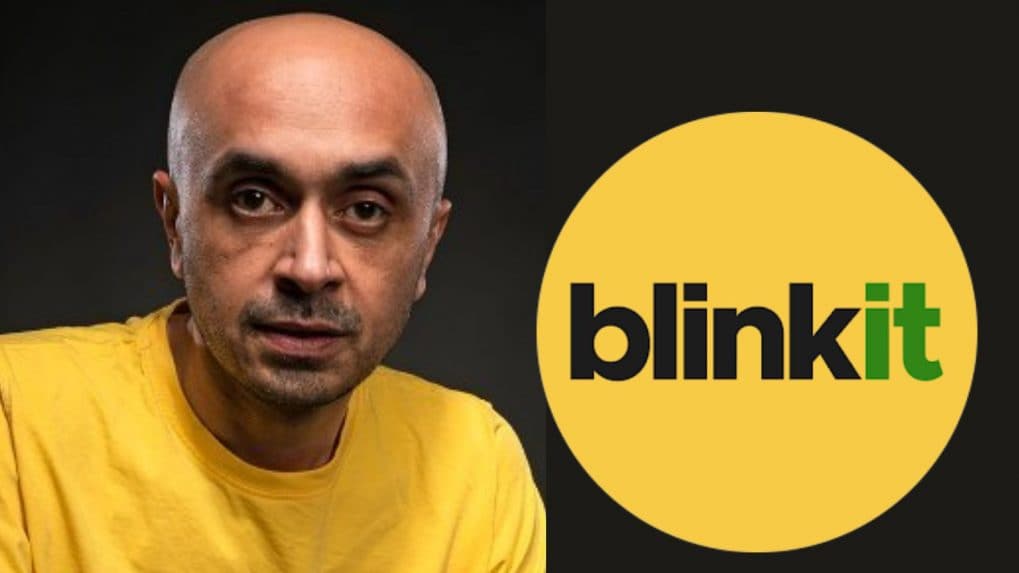
India’s quick commerce sector is heading toward a major consolidation as investor cash dries up, according to Blinkit CEO Albinder Dhindsa, who says companies can no longer rely on heavy fundraising to sustain steep losses.
In an interview, Dhindsa said the current model — dependent on large, continuous capital infusions — is nearing exhaustion, forcing players to confront how long they can keep operating at a loss. Despite the pressure, he said Blinkit is positioned to not only survive but accelerate its expansion.
Quick commerce has attracted billions of dollars from global investors including SoftBank, Temasek, and major Middle Eastern sovereign funds, making India one of the world’s most watched rapid-delivery markets. While similar experiments in the US, Europe and parts of Asia have collapsed, India benefits from dense urban centers, lower labor costs, and widespread digital payments.
Still, the economics remain fragile, driven heavily by logistics efficiency and the ability to raise capital.
Investor caution is increasing even as funding requirements grow.
-
Swiggy, Blinkit’s smaller competitor in the quick-commerce space, is preparing a $1.1 billion share sale, just a year after its $1.3 billion market debut — and at roughly the same valuation.
-
Zepto, another key rival, has raised $450 million ahead of an expected IPO next year.
Dhindsa’s comments suggest the industry is approaching a tipping point where only players with strong operational performance and sustained investor confidence will remain standing.