
Audit Flags Major Lapses in Tamil Nadu’s Drug Regulation as Cough Syrup Tragedy Renews Scrutiny
Between 2016–17 and 2020–21, Tamil Nadu’s drug regulatory system fell significantly short of its mandated inspection and testing targets, revealing persistent enforcement gaps that have...
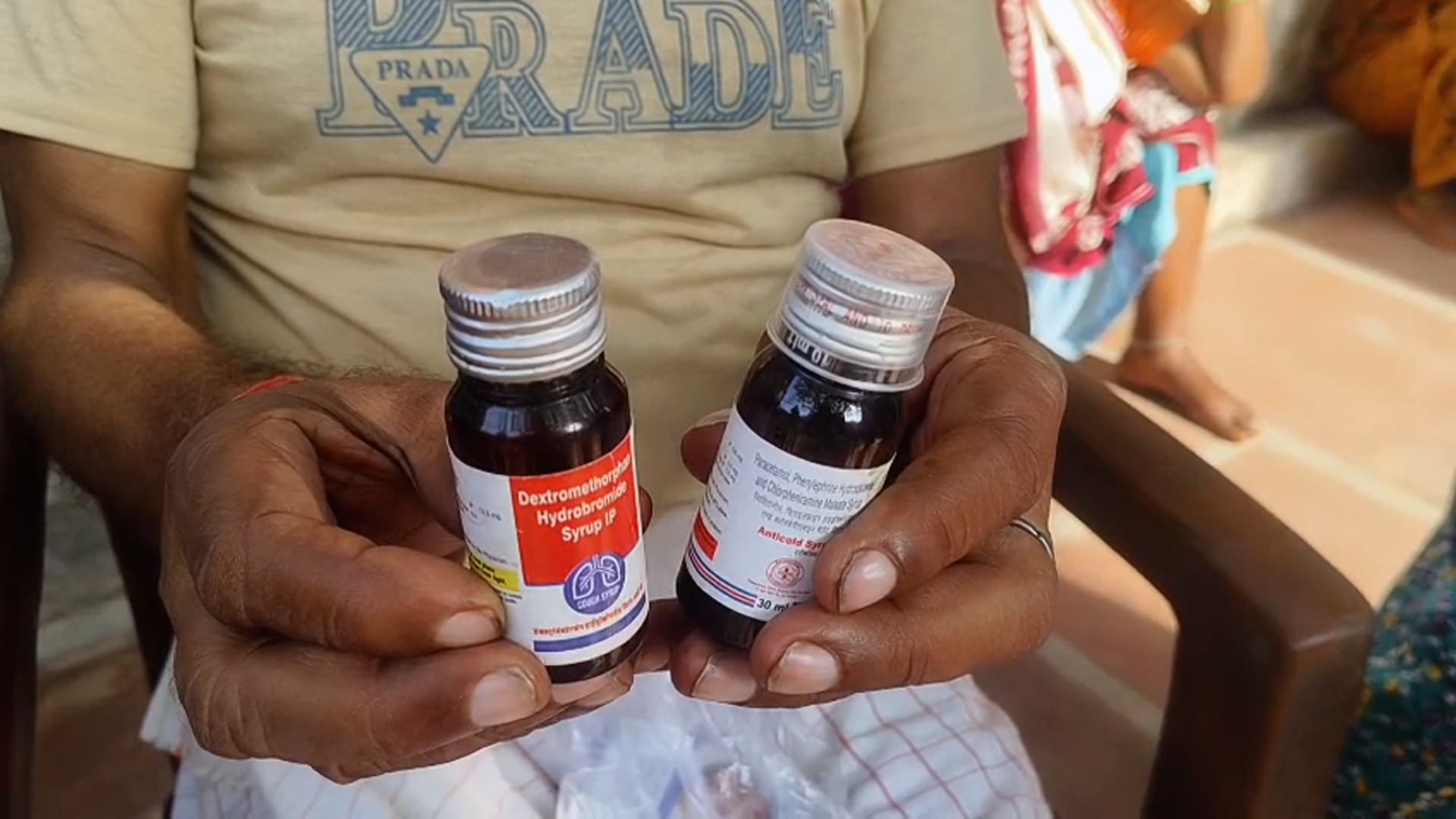
Between 2016–17 and 2020–21, Tamil Nadu’s drug regulatory system fell significantly short of its mandated inspection and testing targets, revealing persistent enforcement gaps that have once again come under public scrutiny following the death of 22 children linked to contaminated cough syrup in Madhya Pradesh’s Chhindwara district.
According to the Comptroller and Auditor General of India (CAG), drug inspectors in Tamil Nadu conducted only about 61% of planned inspections and collected just 49% of samples required for quality testing during the five-year period. The audit, tabled last year, highlighted deep-rooted structural weaknesses in how the State monitors drug manufacturing and enforces safety standards.
A Pattern of Weak Oversight
The CAG’s findings expose systemic issues that extend beyond staffing shortages or administrative delays. Analysts say they point to a larger challenge in India’s decentralized drug regulation framework — where responsibilities are split between the Centre and States, often resulting in uneven enforcement.
Tamil Nadu, one of India’s key pharmaceutical hubs, is home to hundreds of licensed manufacturers. Experts warn that lapses in such a critical State could have national repercussions, given the inter-State movement of medicines and ingredients.
“Shortfalls in inspections and sampling don’t just reflect bureaucratic inefficiency — they signal a potential breakdown in public health safeguards,” said a senior pharmaceutical policy expert who has worked with the Health Ministry. “When routine checks fail, unsafe products can easily slip through the cracks.”
Renewed Urgency After Chhindwara Deaths
The recent tragedy in Madhya Pradesh — where contaminated cough syrup caused the deaths of 22 children — has amplified demands for stricter regulatory vigilance. Preliminary investigations revealed high levels of diethylene glycol (DEG), a toxic industrial solvent, in the syrup. Similar incidents in the past, including cases in The Gambia and Uzbekistan, have damaged India’s reputation as a global supplier of affordable medicines.
Public health advocates say the CAG’s earlier warnings now appear prescient. “The audit showed exactly where oversight was failing. Yet, systemic reforms have been painfully slow,” noted a senior official with the All India Drug Action Network.
Regulatory Reforms on the Table
In response to repeated safety lapses, the Union Health Ministry has initiated efforts to overhaul India’s drug regulatory system. Proposals include better coordination between Central and State authorities, increased manpower for field inspections, and the digitization of manufacturing and testing data to improve transparency.
Officials in Tamil Nadu’s Drug Control Department said steps were being taken to improve performance. “We have recruited additional inspectors and enhanced laboratory capacity,” a department spokesperson told The Cliff News. “Continuous monitoring is being prioritized.”
However, experts caution that unless accountability mechanisms are strengthened and inspections made truly independent, reforms may remain cosmetic.
Why It Matters
India is the world’s third-largest producer of pharmaceuticals by volume. Failures in drug quality control — particularly at the State level — can have deadly consequences both domestically and globally. The CAG’s findings, viewed alongside recurring poisoning cases, underscore the urgent need to treat drug regulation as a national health security priority rather than a bureaucratic obligation.