
Astronauts Leave ISS Early After Serious Medical Emergency
What happened: A SpaceX Dragon capsule carrying four astronauts departed the International Space Station ahead of schedule due to a serious medical condition affecting one...
-
What happened: A SpaceX Dragon capsule carrying four astronauts departed the International Space Station ahead of schedule due to a serious medical condition affecting one crew member.
-
Why it matters now: The early return marks the first medical emergency of its kind in NASA history, prompting mission changes and safety procedures.
-
What changes for people: The mission timeline has shifted, with Crew-11 returning early and Crew-12 preparations now advancing for February.
-
Who is affected: The Crew-11 astronauts, NASA’s Expedition 74 program, and ISS mission planners are directly impacted.
A SpaceX Dragon spacecraft is set to splash down off the California coast on Thursday morning after leaving the International Space Station (ISS) nearly six weeks earlier than scheduled. The decision was made after NASA confirmed a serious medical condition affecting one of the four crew members.
The spacecraft, named Endeavour, began its 10.5-hour descent at 22:30 GMT on Wednesday, according to NASA officials. This early departure impacts the schedule for SpaceX’s Crew-11 mission, which had originally been expected to conclude in late February 2026.
Mission details and timeline
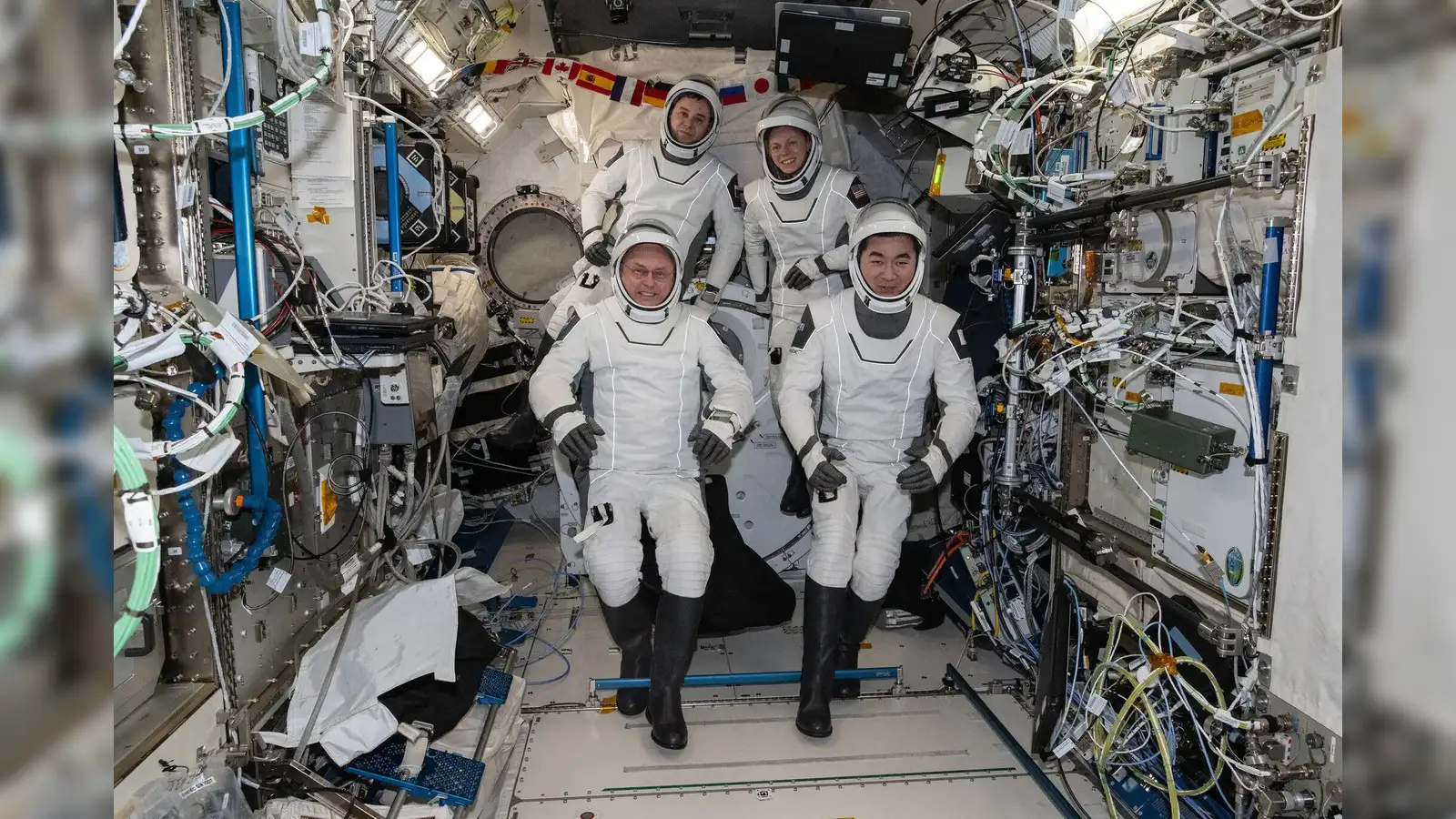
On board Endeavour are NASA astronauts Zena Cardman and Mike Fincke, Japan Aerospace Exploration Agency astronaut Kimiya Yui, and Russian cosmonaut Oleg Platonov. The group spent 167 days on the ISS as part of Expedition 74, conducting science operations in microgravity.
NASA announced the early return on January 8, stating that the decision prioritized crew well-being. James Polk, NASA’s Chief Health and Medical Officer, confirmed that the issue was not related to station operations and withheld further medical details to protect crew privacy.
Polk emphasized: “We err on the side of the astronaut’s health and welfare.”
Mission Commander Mike Fincke, a retired US Air Force colonel, noted that returning early was “the right decision” to ensure proper medical care on Earth where full diagnostic tools are available.
Visuals and livestream coverage
Before undocking, NASA livestreamed Endeavour’s hatch closure, separation, and slow drift away from the ISS at an altitude of over 400 kilometers. ISS mission imagery showed the four astronauts in their black-and-white Dragon pressure suits preparing for reentry.
NASA will stream the final stages of reentry, including engine burns and parachute deployment, until splashdown in the Pacific Ocean.
Impact on ISS operations
Following Crew-11’s departure, two Russian astronauts and one NASA astronaut remain aboard the ISS to continue Expedition 74 objectives. Meanwhile, SpaceX Crew-12 is preparing for a February launch window to rotate additional crew back to station.
Why it matters
This incident underscores the complexity of long-duration spaceflight and the logistics of medical evacuation from orbit. While NASA did not classify the event as life-threatening publicly, the rapid schedule shift highlights the importance of in-orbit health monitoring, cross-agency cooperation, and emergency return capability.
Aerospace experts note that future missions to the Moon or Mars will require even more advanced contingency planning given the distance from Earth-based medical facilities.