
Artemis 2: NASA Completes Key Fueling Test, Eyes March Launch
NASA successfully concludes a crucial Artemis 2 wet dress rehearsal.
Top Summary
- What happened: NASA completed the second wet dress rehearsal for the Artemis 2 moon mission, including a simulated launch countdown and fueling test.
- Why it matters: This test is a critical step toward launching the first crewed Artemis mission, sending astronauts around the moon.
- What changes for people: Success of the Artemis program paves the way for future lunar exploration and potential human presence on the moon.
- Who is affected: NASA, the Artemis 2 crew, the aerospace industry, and the global community interested in space exploration.
Fueling Test Success
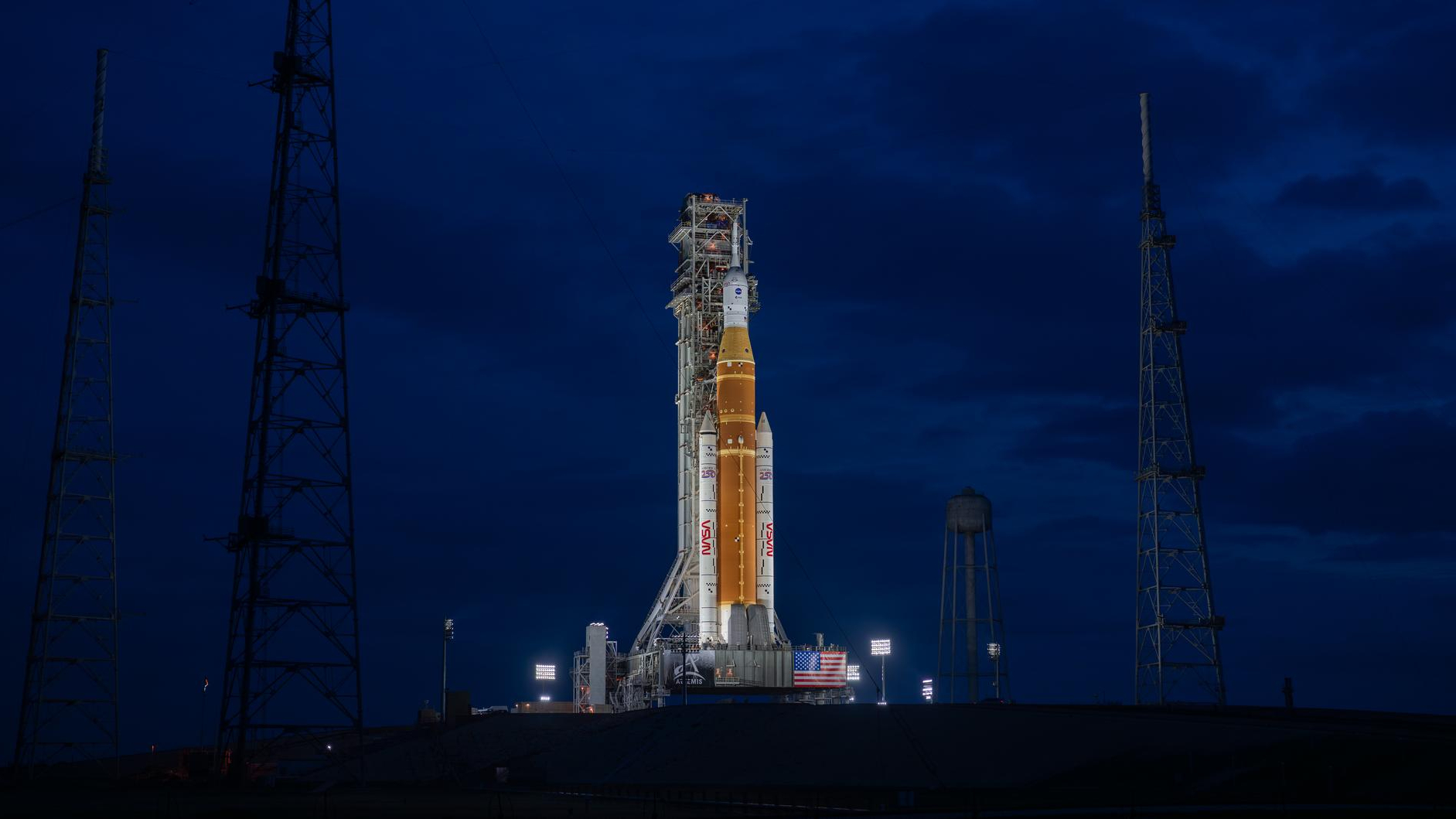
NASA successfully completed the Artemis 2 second wet dress rehearsal (WDR) on February 20, 2026, at Kennedy Space Center in Florida.
The test included fueling the Space Launch System (SLS) rocket and a simulated launch countdown.
Overcoming Technical Challenges
The process wasn't without its hurdles. A communications glitch arose during fueling on February 19, requiring the team to switch to backup systems.
"Normal communications have been restored, and NASA teams have made the decision to transition to fast fill of the SLS rocket’s core stage with super-cold liquid hydrogen,"
NASA reported.
Countdown to Simulated Launch
The final ten minutes of the countdown, known as the terminal count, proceeded smoothly.
The simulated T-0 time was 8:42 p.m EST (0142 GMT). Artemis launch director Charlie Blackwell-Thompson gave the "go" to proceed.
Crew Safety and Readiness
Safety procedures were also tested. The Artemis 2 closeout crew prepared the Orion spacecraft for simulated crew ingress.
The “pad rescue team,” emergency personnel trained for crew evacuation, was also on-site.
Fueling Operations in Detail
Fueling the SLS rocket involved chilling the hardware and loading super-cold liquid oxygen, chilled to minus 297 degrees Fahrenheit, into the rocket’s upper stage tank.
The rocket was filled with over 700,000 pounds of liquid hydrogen and liquid oxygen.
Looking Ahead to Launch
If all continues to progress well, an actual launch could occur as soon as March 6.
This mission will send four astronauts on a 10-day trip around the moon.
What to Watch Next
NASA will analyze the data from the wet dress rehearsal to confirm the readiness of the SLS rocket and Orion spacecraft. We anticipate further updates regarding the official launch date in the coming days.