
Antarctic Ozone Layer Shows Strong Signs of Healing, NASA and NOAA Report
The Antarctic ozone layer is continuing its slow but steady recovery, according to new data released by NASA and the National Oceanic and Atmospheric Administration...
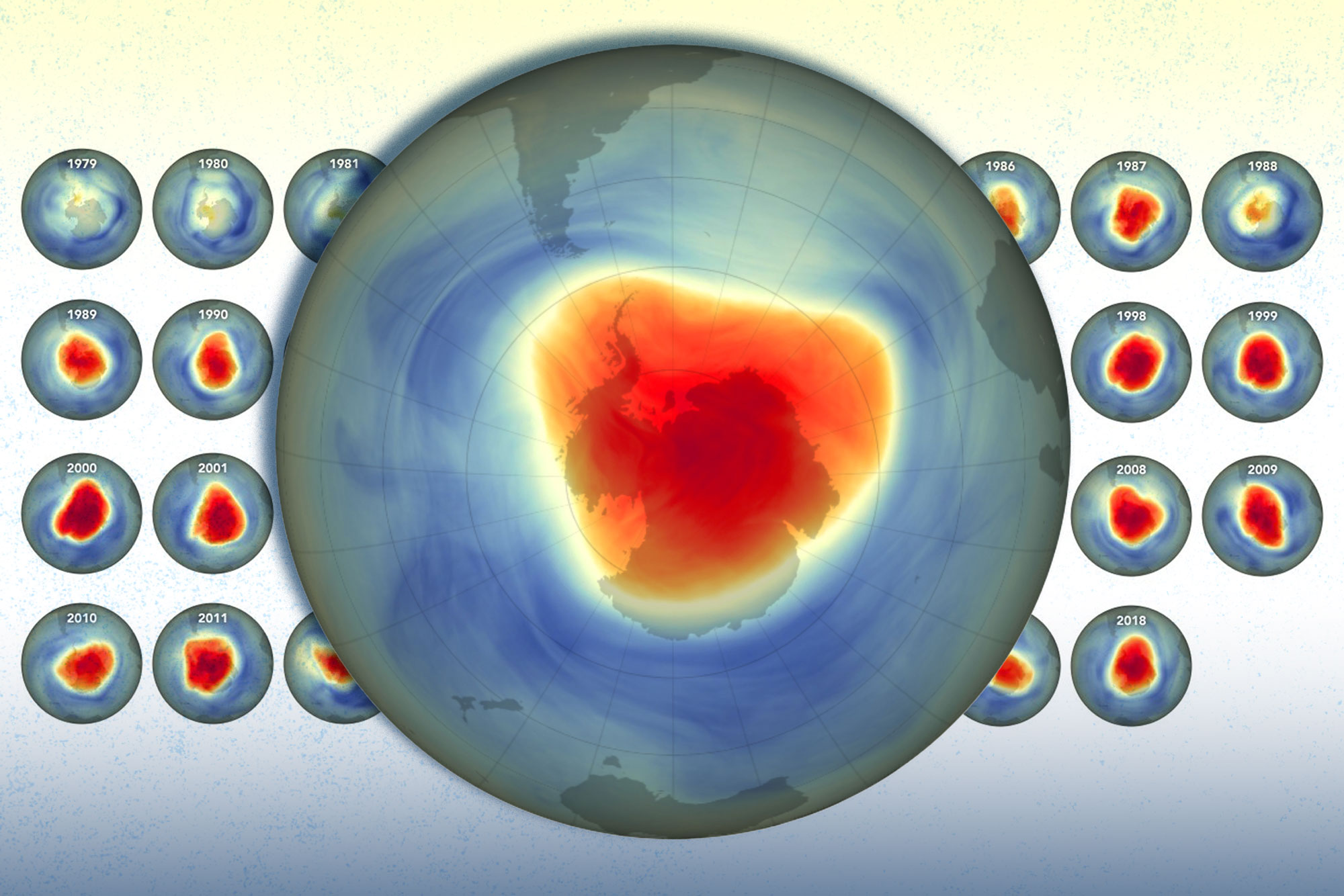
The Antarctic ozone layer is continuing its slow but steady recovery, according to new data released by NASA and the National Oceanic and Atmospheric Administration (NOAA). Scientists say the protective layer reached a seasonal peak of 8.83 million square miles on September 9 — still vast in size, but among the smallest ozone holes recorded in more than three decades.
The findings represent the fifth smallest ozone hole since 1992, reinforcing evidence that global environmental action is reversing one of the most damaging atmospheric trends of the late 20th century.
A Win for Global Climate Action
Researchers credit much of the progress to the Montreal Protocol, the landmark 1987 United Nations agreement that phased out the use of ozone-destroying chemicals such as chlorofluorocarbons (CFCs), once common in aerosols, refrigeration, and industrial cooling.
The latest measurements suggest the treaty remains one of the most effective global environmental efforts ever implemented. If current trends continue, experts believe the ozone layer could return to pre-1980s strength later this century.
“We’re Seeing the Long-Term Plan Working”
Paul Newman, senior atmospheric scientist at NASA’s Goddard Space Flight Center and ozone-research lead, said the data is following expected recovery patterns.
Newman noted that recent ozone holes are “smaller, forming later in the season, and breaking apart earlier” than those seen in the early 2000s — a crucial period when ozone depletion was at its most severe.
“But we’re not done yet,” he cautioned. “It will take decades for the atmosphere to fully return to 1980s levels.”
During the 2025 depletion season — the period when the ozone hole typically reaches its widest extent — the average size from September 7 to October 13 was 7.23 million square miles. This year, the hole also began to break up nearly three weeks earlier than the recent 10-year average.
Chemical Levels Continue to Decline
NOAA scientist Stephen Montzka added that the concentration of ozone-destroying chemicals has continued to fall.
According to Montzka, these compounds have dropped by “about one-third” in the Antarctic stratosphere compared with peak levels around the year 2000.
These chemicals, containing chlorine and bromine, were once routinely released from everyday products like foam insulation, spray cans, air conditioners, and refrigerators. When they drift into the stratosphere — roughly 7 to 31 miles above Earth — they release reactive particles that break apart ozone molecules.
Newman emphasized the impact of reduced chlorine levels, noting that today's ozone hole would have been over a million square miles larger if chemical concentrations had remained at levels seen 25 years ago.
Why Ozone Recovery Matters
The ozone layer is Earth’s natural shield against harmful ultraviolet radiation, which can cause skin cancer, cataracts, immune system damage, and ecological disruption. Its gradual repair helps safeguard human health, protects phytoplankton in the oceans, and supports long-term climate stability.
Scientists caution, however, that recovery is fragile and dependent on the continued enforcement of global chemical-control agreements.