
Anil Ambani Assures SC: Won't Leave India Amid Loan Fraud Probe
Anil Ambani pledges cooperation in loan fraud investigation, will not leave India without SC permission.
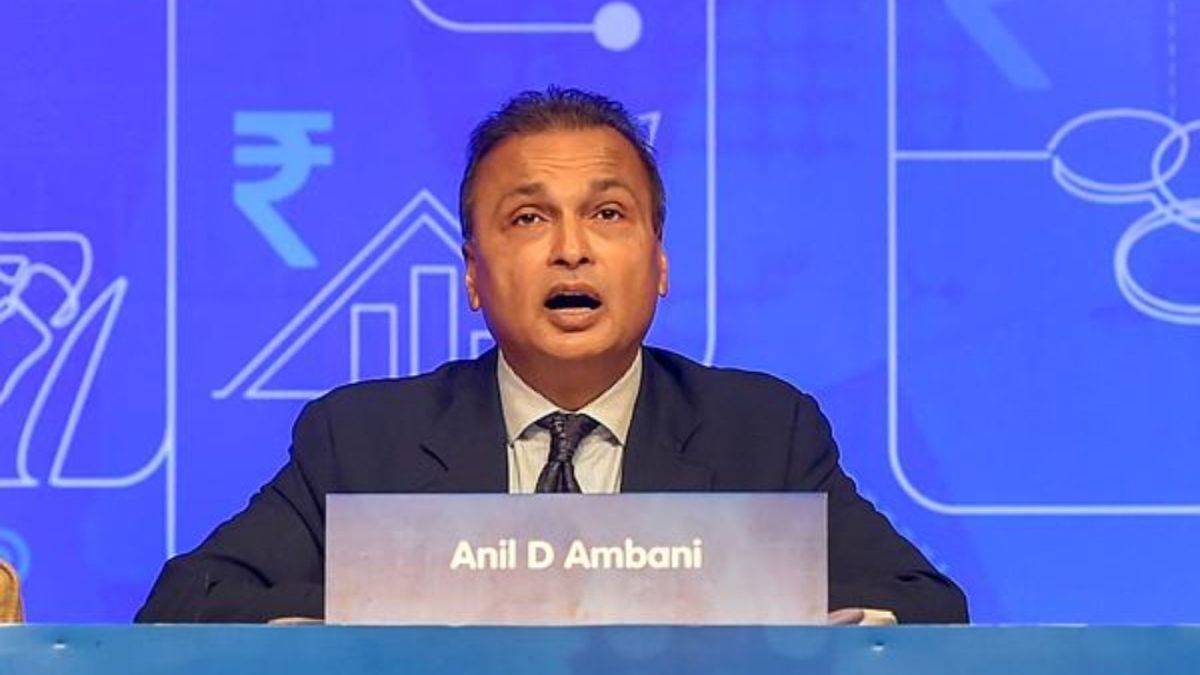
Top Summary
- What happened: Anil Ambani filed an affidavit in the Supreme Court guaranteeing his cooperation with ongoing loan fraud investigations by ED and CBI.
- Why it matters: The affidavit addresses concerns about potential flight risk amid serious allegations of financial irregularities within ADAG companies.
- What changes for people: Ambani's commitment provides assurance to investors and stakeholders amidst scrutiny of ADAG's financial dealings.
- Who is affected: Anil Ambani, ADAG companies, investigating agencies (ED, CBI), State Bank of India, and related bank officials are all affected.
Ambani's Undertaking to the Supreme Court
Industrialist Anil Ambani has submitted an affidavit to the Supreme Court (SC) ensuring his full cooperation with investigations into alleged loan fraud by Anil Dhirubai Ambani Group (ADAG) companies.
He has pledged not to leave India without prior permission from the Court.
This action is in response to a writ petition filed by EAS Sarma, seeking a Court-monitored investigation into the alleged fraud of over Rs 40,000 crores.
Adopting Rohatgi's Guarantee
Ambani adopted the undertaking previously given to the Court on February 4 by Senior Advocate Mukul Rohatgi on his behalf.
He confirmed that he has remained in India since July 2025, the start of the current investigations, and currently has no plans to travel abroad.
Should foreign travel become necessary, he has committed to seeking prior approval from the Supreme Court.
Cooperation with Investigating Agencies
Ambani stated that he has consistently cooperated with the investigating agencies and will continue to do so.
He disclosed that he is summoned by the Enforcement Directorate (ED) to appear on February 26, 2026, and has undertaken to comply.
"I have been fully cooperating with the investigating agencies and continue to extend complete cooperation."
Court's Directive to CBI and ED
On February 4, a bench led by Chief Justice of India Surya Kant expressed dissatisfaction with delays by the CBI and ED.
The Court directed both agencies to investigate the matter promptly.
The ED was instructed to form a Special Investigation Team (SIT), and the CBI was directed to file separate FIRs for each bank complaint, rather than proceeding with a single FIR based on SBI's complaint.
Focus on Bank Officials' Involvement
The bench ordered investigation into potential connivance by bank officials, even without prior sanction under Section 17A of the Prevention of Corruption Act.
This is a crucial aspect of the Court's directive.
The Core of the Allegations
The petitioner, EAS Sarma, argues that the CBI and ED's investigation is too narrow and excludes the role of bank officials and public servants despite evidence of their complicity.
Judicial supervision is sought to ensure a comprehensive probe.
The petition highlights that Reliance Communications and its group companies received Rs. 31,580 crore in loans from a consortium led by State Bank of India between 2013 and 2017.
Forensic Audit Findings
A forensic audit commissioned by SBI in October 2020 allegedly revealed diversion of thousands of crores through related parties, shell firms, circular transactions, and sham asset purchases.
However, SBI filed a formal complaint only in August 2025, almost five years later.
The CBI registered an FIR alleging conspiracy, cheating, and criminal breach of trust, causing a wrongful loss of Rs. 2,929 crore.
Grave Offences Ignored?
The petition claims the FIR covers only a fraction of the alleged misconduct, overlooking offenses like diversion through non-existent bank accounts and evergreening of loans.
It points to the use of conduit entities like Netizen Engineering Pvt. Ltd. and Kunj Bihari Developers Pvt. Ltd.
- Siphoning of public funds
- Layering of transactions
- Violations of statutory norms
Bank Officials Under Scrutiny
The petition emphasizes that bank officials involved are considered "public servants" under the Prevention of Corruption Act.
Their conduct is deemed integral to the alleged conspiracy and requires investigation.
Excluding them would render the probe deficient and violate Articles 14 and 21 of the Constitution.
What to Watch Next
The Supreme Court will likely review the progress of the investigations by the CBI and ED, paying close attention to the involvement of bank officials. The actions taken by the ED's Special Investigation Team will be crucial in determining the future course of the case, specifically the ED summon for Anil Ambani on February 26, 2026.