
Akshaya Tritiya Gold Rush: Sales Soar Past ₹20,000 Crore Despite High Prices
Gold and silver markets expect bumper sales this Akshaya Tritiya.
Top Summary
- What happened: India's gold and silver markets are projected to exceed ₹20,000 crore in sales this Akshaya Tritiya, surpassing last year's ₹16,000 crore.
- Why it matters: Despite record-high gold and silver prices, the cultural significance of Akshaya Tritiya drives strong demand.
- What changes for people: Consumers are shifting towards lighter jewellery, silver, and digital gold options due to rising prices.
- Who is affected: Jewellers face inventory management challenges due to price volatility, while consumers adapt to new buying patterns.
Akshaya Tritiya Sales Expected to Surge
India's gold and silver markets are bracing for a lucrative Akshaya Tritiya. Overall trade is likely to exceed ₹20,000 crore. This figure surpasses last year’s ₹16,000 crore, indicating substantial growth despite soaring bullion rates.
The Confederation of All India Traders (CAIT) shared this optimistic estimate. The forecast signals a robust market despite significant price increases.
Soaring Prices, Evolving Buying Habits
Gold prices have risen sharply, from ₹1,00,000 per 10 grams to ₹1.58 lakh. Silver has witnessed an even steeper increase, jumping from ₹85,000 per kilogram to ₹2.55 lakh per kilogram.
CAIT reports that demand remains strong despite these increases. Consumers are making more deliberate and value-oriented purchases.
"Akshaya Tritiya has traditionally been one of India's most auspicious occasions for purchasing gold... While gold continues to dominate, the nature of purchasing is evolving significantly in response to steep price escalation," said Praveen Khandelwal, MP and secretary general of CAIT.
Shifting Consumer Preferences
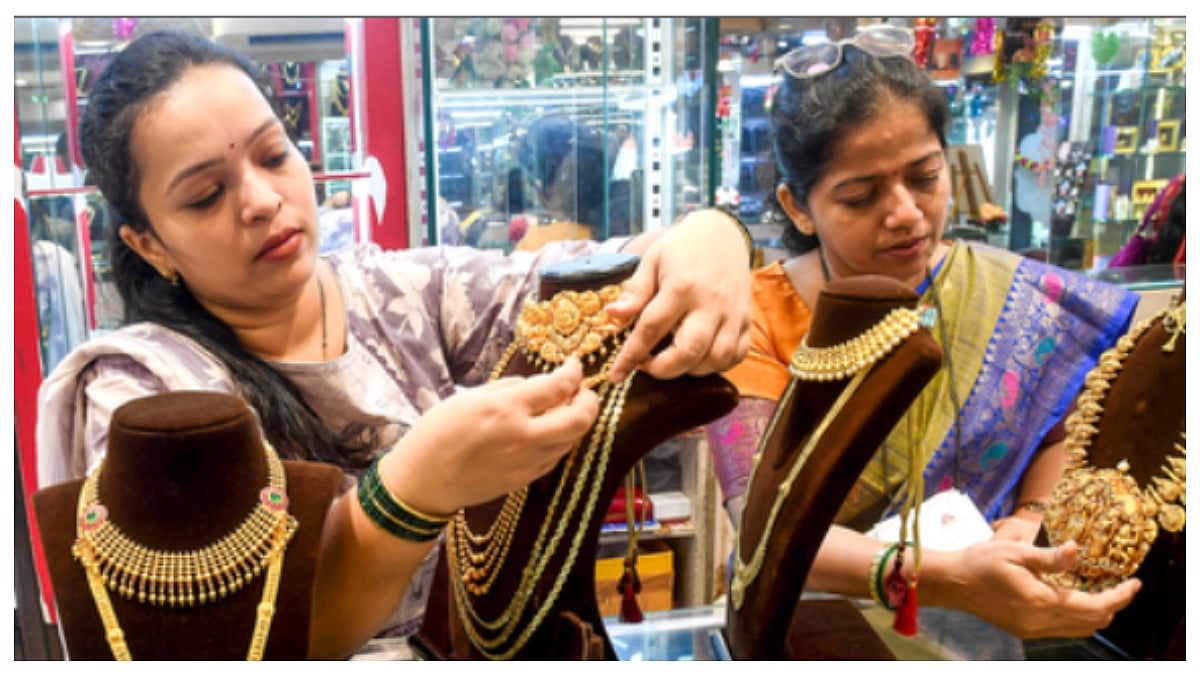
Consumers are showing a preference for lighter, wearable jewellery. There's also increased interest in silver and diamond products.
"There is a clear shift towards lightweight, wearable jewellery, alongside a stronger focus on silver and diamond products. Attractive incentives such as reduced making charges and complimentary gold coins are also helping sustain consumer interest," highlighted BC Bhartia, CAIT national president.
Volume Decline Amidst Value Growth
While trade value is increasing, the quantity of metals sold paints a different picture. The projected ₹16,000 crore gold trade represents nearly 10,000 kilograms (10 tonnes) at current rates.
This translates to average sales of only 25 to 50 grams per jeweller across an estimated 2 to 4 lakh jewellers, according to Pankaj Arora, National President of AIJGF.
For silver, the estimated ₹4,000 crore trade equates to around 1,56,800 kilograms (157 tonnes). This results in average sales of about 400 to 800 grams per jeweller during the festival.
"These figures underline a critical shift: while the value of business is expanding due to rising prices, actual consumption is contracting," Khandelwal said.
Adapting to Market Dynamics
This gap between value and volume is changing buying patterns. Smaller items and lightweight jewellery are becoming more popular.
Jewellers are facing challenges due to fluctuating prices, especially in inventory management. Festive demand remains steady, with markets experiencing good footfall.
"Consumers are now adopting a more cautious and pragmatic approach, balancing traditional beliefs with financial discipline," Khandelwal added.
Embracing Digital Alternatives
Consumers are increasingly exploring alternatives to physical gold. Digital gold, Sovereign Gold Bonds, and gold ETFs are gaining traction.
These options offer liquidity, safety, and flexibility in volatile markets.
Hallmarking and Authenticity
CAIT and AIJGF urge jewellers to comply with mandatory hallmarking standards. This includes HUID certification.
They also advise buyers to verify the purity and authenticity of their purchases.
What to Watch Next
Future market trends will depend on price fluctuations and consumer adoption of alternative investment options. Keep an eye on hallmarking compliance and its impact on consumer trust.