
Air India Cuts International Flights Amid Soaring Fuel Prices, Airspace Issues
Air India reduces international flights due to rising fuel costs and airspace restrictions.
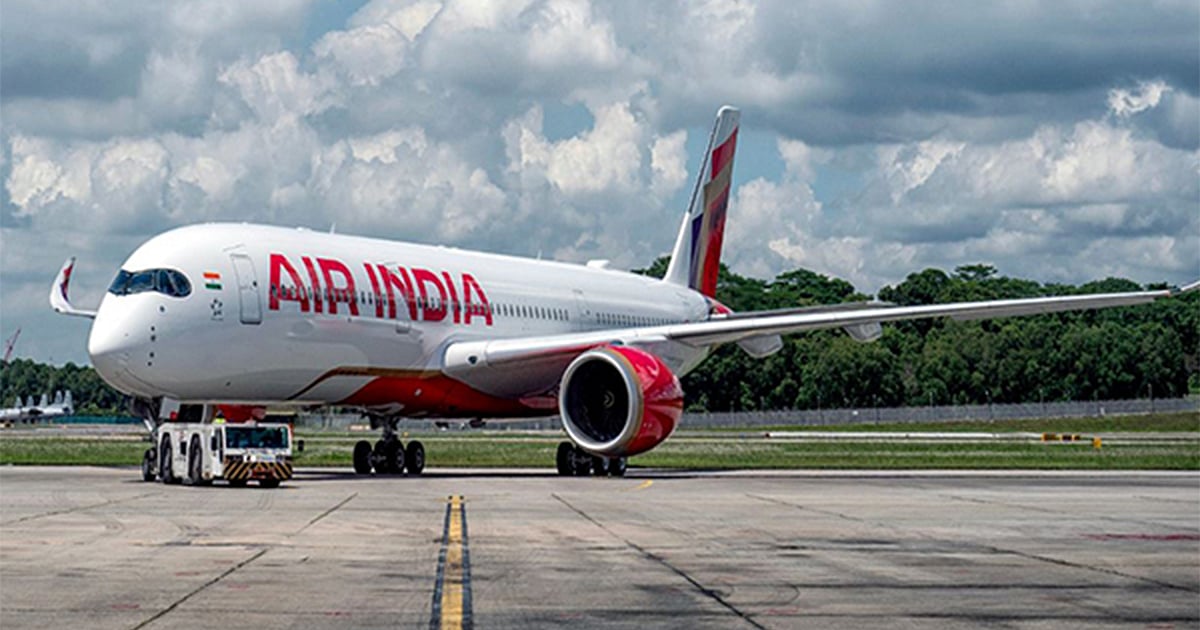
Top Summary
- What happened: Air India is reducing international flight operations in June and July.
- Why it matters: Rising jet fuel prices and airspace restrictions are making routes unprofitable.
- What changes for people: Passengers and crew face potential schedule disruptions and route cancellations.
- Who is affected: Air India, its passengers, crew, and the broader Indian aviation sector.
Mounting Operational Challenges
Air India is trimming its international flight schedule for June and July due to soaring aviation turbine fuel (ATF) prices and ongoing airspace restrictions.
CEO Campbell Wilson stated the airline has "no choice but to trim schedules" given the current operational challenges.
The airline already reduced some flights in April and May.
Fuel Prices and Industry Concerns
India’s airline industry is seeking urgent government intervention due to the sharp rise in jet fuel prices.
The Federation of Indian Airlines (FIA), representing Air India, IndiGo, and SpiceJet, warned of “extreme stress” due to soaring ATF prices.
ATF prices have risen sharply, driven by the Middle East war and adverse currency exchange rates.
Impact on Operations and Finances
Aviation fuel, typically 30-40% of airline costs, now accounts for as much as 55-60% of operating expenses.
Airspace restrictions are forcing Air India to take longer routes, leading to higher fuel burn and increased costs.
Air India Group is estimated to have incurred losses of over Rs 22,000 crore in the financial year ending March 31, 2026.
Air India's Response and Future Outlook
Wilson described the situation as “extremely challenging,” leaving the airline with limited options.
He sought “continued solidarity” from staff as the airline navigates the crisis.
Wilson expressed hope that the situation in the Middle East stabilises soon and that key routes, including the Strait of Hormuz, reopen.
Wilson, who plans to step down later this year, aims for a return to normal operations once fuel prices ease and airspace constraints are lifted.
What to Watch Next
Keep an eye on government intervention in the aviation sector and any developments regarding airspace restrictions. The stabilization of the Middle East situation and the reopening of key routes like the Strait of Hormuz will be critical for Air India's recovery.