
Aditya-L1 shows how a powerful solar storm squeezed Earth’s magnetic shield
What happened: ISRO’s Aditya-L1 mission has helped scientists decode how a powerful solar storm sharply compressed Earth’s magnetic shield during an October 24, 2024 space...
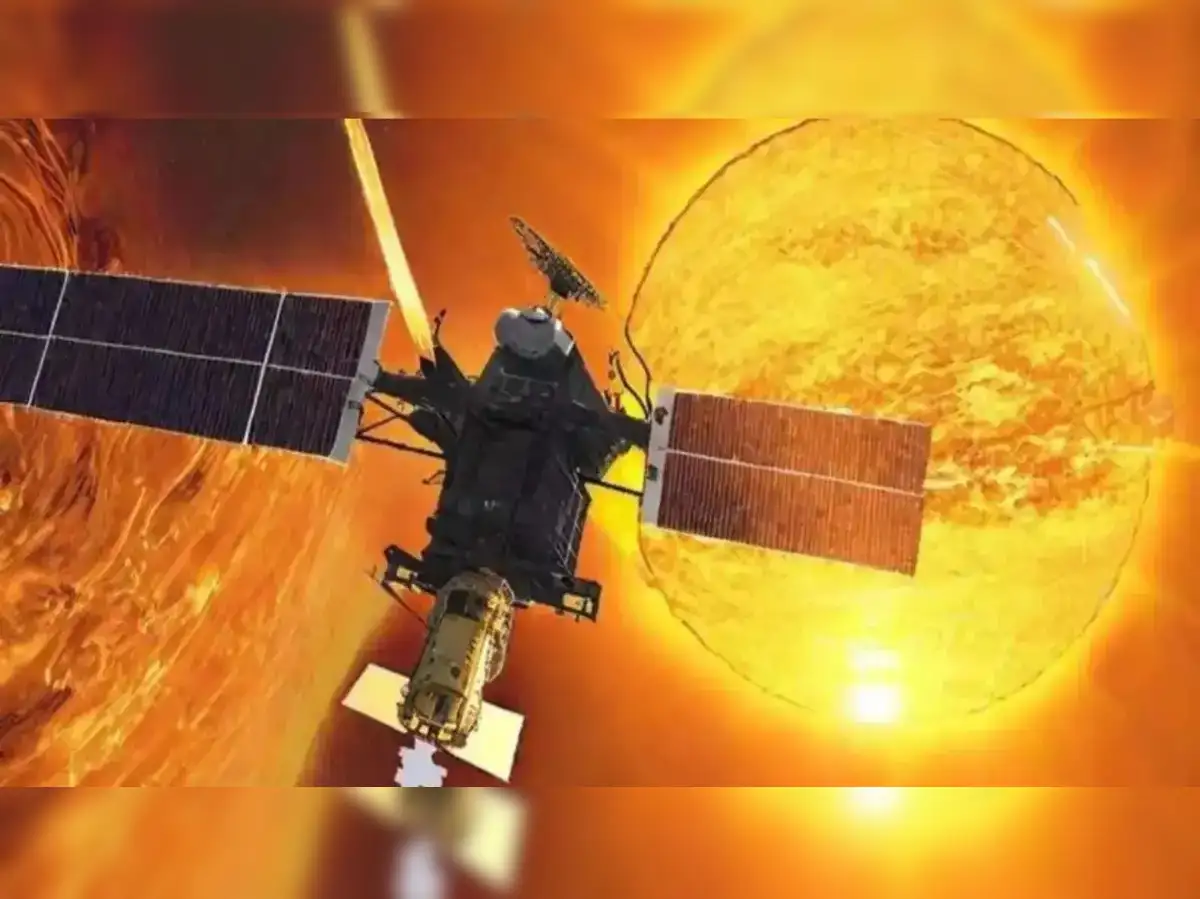
What happened: ISRO’s Aditya-L1 mission has helped scientists decode how a powerful solar storm sharply compressed Earth’s magnetic shield during an October 24, 2024 space weather event.
Why it matters now: The findings explain how extreme solar activity can briefly expose satellites and space infrastructure to hazardous conditions.
What changes for people: Better understanding improves early warnings for risks to satellites, navigation, communications, and power grids.
Who is affected: Satellite operators, space agencies, power utilities, aviation systems, and policymakers planning for space weather threats.
Scientists from ISRO and the Indian Institute of Astrophysics (IIA) have revealed how an intense solar storm dramatically disturbed Earth’s magnetosphere, using high-resolution observations from Aditya-L1, India’s first solar observatory.
The analysis shows that the storm temporarily pushed Earth’s magnetic shield unusually close to the planet, highlighting vulnerabilities during rare but severe space weather events.
What Aditya-L1 observed
The findings are detailed in a scientific report titled “Extreme Geoeffectiveness by the Turbulent Sheath of Interplanetary Coronal Mass Ejections (ICME) of the 2024 October Space Weather Event.”
According to researchers, the storm originated from a massive eruption of solar plasma from the Sun, known as a coronal mass ejection.
Aditya-L1’s instruments captured how the storm’s turbulent front collided with Earth’s magnetosphere, offering rare, direct insight into the interaction.
Magnetic shield pushed dangerously inward
Scientists noted that the turbulent sheath region of the solar storm caused the most severe impact.
Earth’s magnetic field was strongly compressed
Parts of the geostationary orbit were briefly exposed to harsh space conditions
Auroral currents at high latitudes intensified sharply
This level of compression is seen only during extreme space weather events, researchers said.
Why this is a serious concern
The Earth’s magnetosphere acts as an invisible shield, deflecting harmful charged particles from the Sun.
During this event:
Upper atmospheric heating increased
Conditions arose that could enhance atmospheric escape
Satellites and communication systems faced elevated risk
Experts warn that similar events can disrupt GPS accuracy, satellite operations, aviation routes, and power grid stability if not anticipated in time.
Role of Aditya-L1 in space weather science
The study confirms that Aditya-L1 successfully captured the storm’s interaction with Earth’s magnetic environment, validating the mission’s role in space weather monitoring.
Researchers say these observations will help improve predictive models and strengthen India’s space weather preparedness.
Early detection and analysis are key to reducing damage from future solar storms.