
ACIP Recommends Clesrovimab for Infants <8 Months Without Maternal RSV Protection
The U.S. Advisory Committee on Immunization Practices (ACIP) has recommended clesrovimab (Enflonsia) — a newly licensed long-acting monoclonal antibody from Merck — as an option...
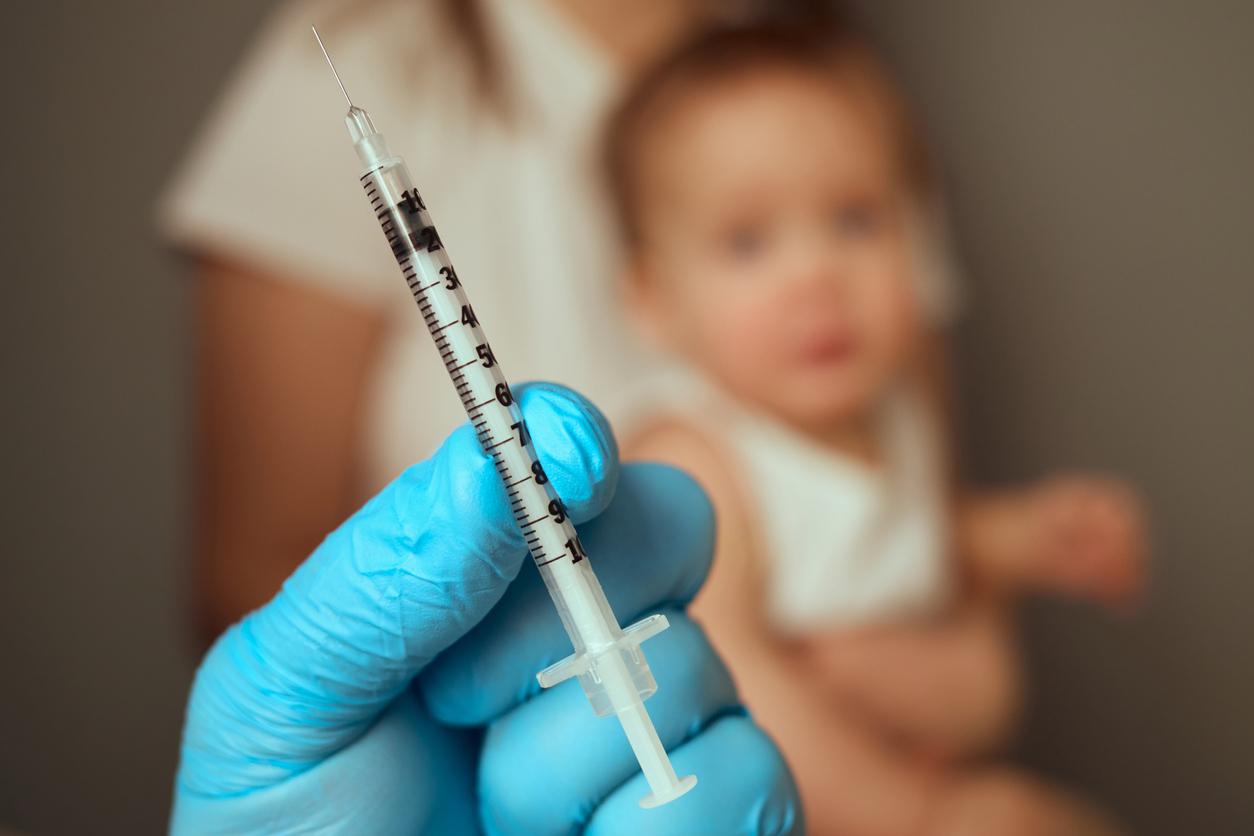
The U.S. Advisory Committee on Immunization Practices (ACIP) has recommended clesrovimab (Enflonsia) — a newly licensed long-acting monoclonal antibody from Merck — as an option alongside nirsevimab to prevent severe RSV lower-respiratory disease in infants younger than 8 months who are born during or entering their first RSV season and who are not protected through maternal RSV vaccination.
Key points:
-
Who is eligible: Infants aged <8 months who are born during or entering their first RSV season, when the mother did not receive an RSV vaccine during pregnancy (or her vaccination status is unknown), or if the infant was born shortly (≤14 days) after maternal vaccination. ACIP treats clesrovimab as an alternative to nirsevimab for this group.
-
Regulatory status: The U.S. FDA approved clesrovimab (Enflonsia) earlier in 2025, and Merck and professional summaries note the product’s single-dose administration and uniform dosing irrespective of infant weight.
-
Clinical/public-health rationale: ACIP’s evidence-to-recommendation materials and the CDC MMWR summary state that offering either long-acting monoclonal antibody (clesrovimab or nirsevimab) to eligible infants complements maternal vaccination strategies and is expected to reduce RSV-related hospitalizations and severe disease in very young infants.
-
Programmatic matters: ACIP/CDC guidance treats the two products as equivalent choices for the specified infant group (no preferential recommendation), while nirsevimab remains the only option recommended for some older infants (8–19 months) at increased risk. Public-health channels (including Vaccines for Children) and state health departments are making ordering and implementation plans for the 2025–26 RSV season.