
8 foreign visits, 8 forums, 10+ legal threats: How India hit Pakistan’s weakest nerve with its Indus move
What happened: India placed the Indus Waters Treaty (IWT) in abeyance after the Pahalgam terror attack, linking future water cooperation to Pakistan’s actions against terrorism....
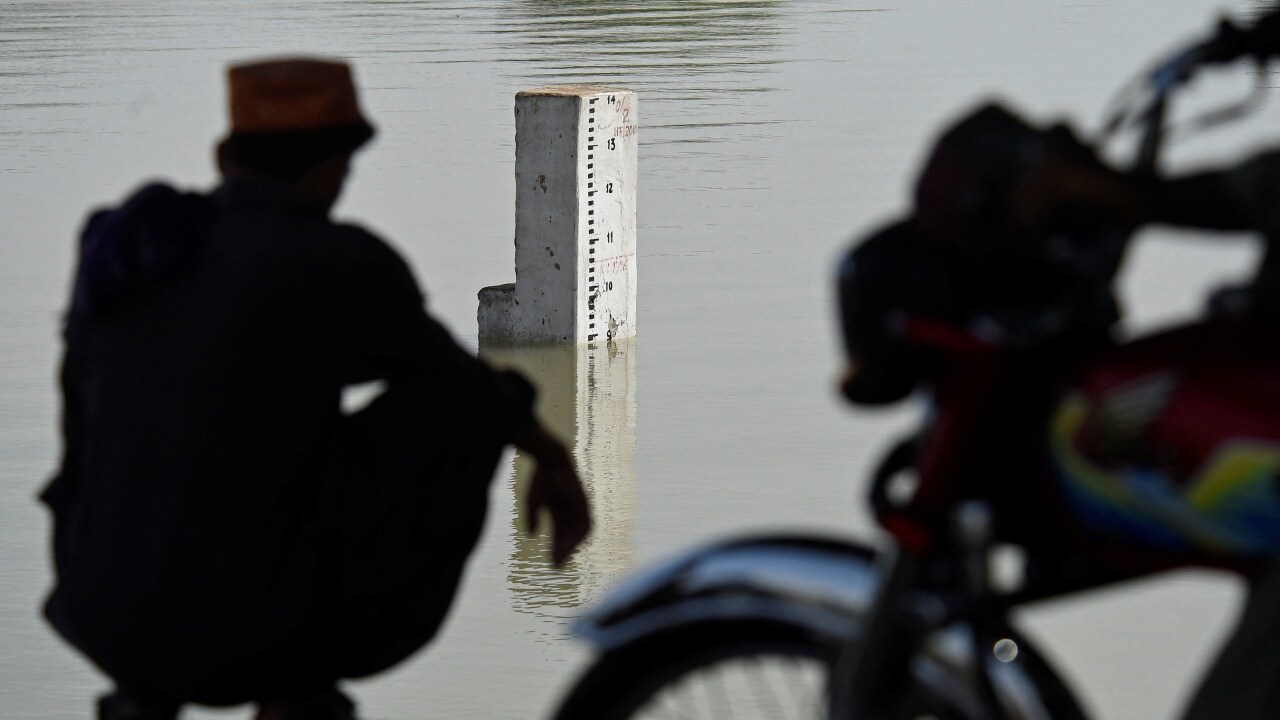
-
What happened: India placed the Indus Waters Treaty (IWT) in abeyance after the Pahalgam terror attack, linking future water cooperation to Pakistan’s actions against terrorism.
-
Why it matters now: Pakistan’s water security, agriculture, and economy are overwhelmingly dependent on the Indus system, leaving Islamabad with limited leverage.
-
What changes for people: The move has triggered diplomatic panic in Pakistan and recalibrated how shared resources are tied to security conduct.
-
Who is affected: Pakistan’s farmers and economy, regional diplomacy, and global stakeholders tracking South Asia’s stability.
India’s decision to suspend the operational framework of the Indus Waters Treaty has sent shockwaves through Islamabad, exposing a structural vulnerability Pakistan has long tried to shield from geopolitics: water dependence.
Within weeks, Pakistan launched a frantic global campaign—foreign visits, emergency letters to the UN, appearances at international forums, and a flurry of legal threats—underscoring how deeply the Indus system underpins its national survival.
Why Pakistan is alarmed
Between 80% and 90% of Pakistan’s agriculture relies on the Indus river system. From food security to employment and export earnings, uninterrupted river flows are critical.
Underline: Water is not just a resource for Pakistan—it is a strategic lifeline.
India’s move did not block rivers overnight. Instead, it altered the rules, signalling that treaty cooperation cannot be insulated from state-sponsored terrorism.
A decisive break from past restraint
On April 23, 2025, a day after civilians were killed in the Pahalgam attack by Pakistan-linked terrorists, New Delhi reframed the treaty.
For the first time since 1960, India explicitly tied:
-
Treaty cooperation
-
Data sharing and dispute mechanisms
to Pakistan’s conduct on terrorism.
Underline: Cooperation over shared resources cannot coexist with cross-border violence.
This was less about immediate hydrology and more about strategic signalling.
Pakistan’s global scramble
Since the suspension, Pakistan has:
-
Sent multiple letters to the United Nations
-
Raised the issue at at least eight international forums
-
Dispatched envoys on eight foreign visits
-
Issued over 10 legal and treaty-related threats
Parliamentary debates, warnings of “humanitarian catastrophe,” and urgent diplomatic outreach followed—revealing how little room Islamabad has once water security is questioned.
Why India holds the advantage
India’s leverage stems from:
-
Its upper riparian position
-
Strict adherence to treaty provisions for decades
-
Global credibility built on restraint, even during wars
By placing the treaty in abeyance—not abrogation—India stayed within legal and diplomatic bounds while raising the cost of inaction on terrorism.
Underline: The pressure is strategic, sustained, and legally calibrated.
Limited options for Islamabad
Pakistan’s choices are constrained:
-
Legal routes offer slow relief and uncertain outcomes
-
International pressure has produced sympathy, not solutions
-
Retaliation risks further isolation
With agriculture already stressed by climate shocks and economic instability, water uncertainty hits at the core of Pakistan’s domestic stability.