
2025: The Year India Rewired Its Economy
2025 will be remembered as the year India gave its economy a decisive tune-up. Tax systems that once felt labyrinthine were simplified, labour laws that...
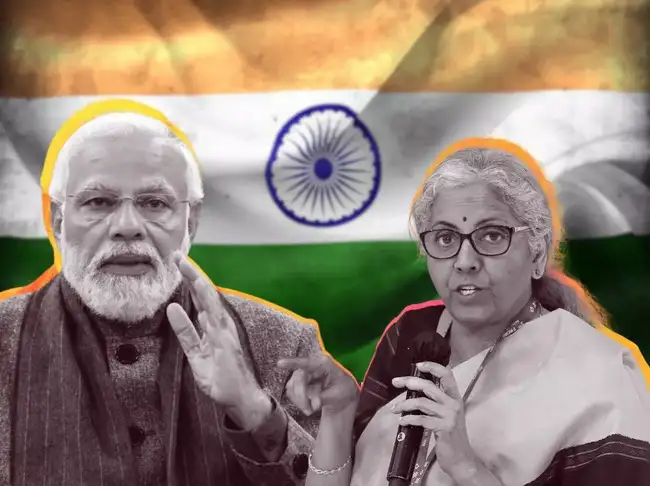
2025 will be remembered as the year India gave its economy a decisive tune-up. Tax systems that once felt labyrinthine were simplified, labour laws that read like legal tomes were rewritten, and strategic sectors long shielded from competition were opened to private investment.
It was a full-court press on inefficiency. Red tape was trimmed, predictability improved, and citizens and businesses could finally see the rules of the game with greater clarity. Over the course of the year, India undertook a series of landmark economic reforms spanning taxation, labour, energy, and trade.
These changes aimed to simplify compliance, expand social security, modernise employment laws, open strategic sectors to private participation, and deepen global trade integration. The year marked a clear shift toward outcome-driven governance, focusing on transparent rules, sustainable growth, and policy certainty—strengthening trust in institutions and long-term planning.
“2025 will be remembered as a year when India treated reforms as a continuous national mission,” Prime Minister Narendra Modi said on LinkedIn. “We modernised institutions, simplified governance, and strengthened the foundations for long-term, inclusive growth.”
Modi added that India has boarded the “Reform Express,” driven primarily by the country’s demographic dividend—its young population and entrepreneurial spirit.
GST 2.0: When Tax Reform Met Consumption
For years, the Goods and Services Tax promised simplicity but delivered complexity. Multiple slabs, classification disputes, and compliance anxiety became the norm.
GST 2.0 marked a clean break from that legacy.
India dismantled the four-slab structure of 5%, 12%, 18%, and 28%, replacing it with a streamlined framework:
-
5% for essentials
-
18% for most goods and services
-
40% for luxury and sin goods
At the time of the overhaul, Finance Minister Nirmala Sitharaman said the reform was expected to inject nearly ₹2 lakh crore into the economy by boosting consumption and household savings. Prime Minister Modi later noted that the combination of GST rationalisation and a ₹12 lakh tax-free income threshold could help citizens save over ₹2.5 lakh crore annually.
The rate cuts were sweeping and deliberate.
Everyday essentials such as UHT milk, butter, ghee, paneer, cheese, dry fruits, sugar, chocolates, packaged foods, namkeens, and bottled water were shifted to 5% or nil. Seeds, fertilisers, and crop nutrients were brought down to 5%, while life-saving drugs, medical devices, books, and learning aids followed suit.
Electronics, footwear, textiles, paper products, and personal care items were largely consolidated into the 5–18% band, reducing classification disputes. Automobiles were rationalised with sharper intent: small cars and motorcycles up to 350cc were taxed at 18%, while larger vehicles and premium motorcycles moved to 40%. Electric vehicles remained at 5%, reinforcing India’s clean mobility push.
Renewable energy equipment, construction inputs, toys, sports goods, and handicrafts were also taxed at 5%, aligning fiscal policy with manufacturing, employment, and sustainability goals.
What Stayed Expensive—and Why
What remained costly was not accidental. Luxury cars, high-end motorcycles, tobacco, alcohol, aerated drinks, and other sin goods stayed in the 40% bracket, reflecting a conscious choice to protect revenues while discouraging conspicuous consumption. The message was clear: relief was targeted at mass consumption and productivity, not indulgence.